
Ceramics always be the top choice for extreme condition. When choosing materials, you might wonder: Why different ceramics have different melting point? Is a higher melting point always better?
In this article, we will explain the melting point of ceramics for you. After reading, you can get a clear understanding of how to choose a suitable ceramic only for your industrial application. First, let’s start with the definition of ceramics.

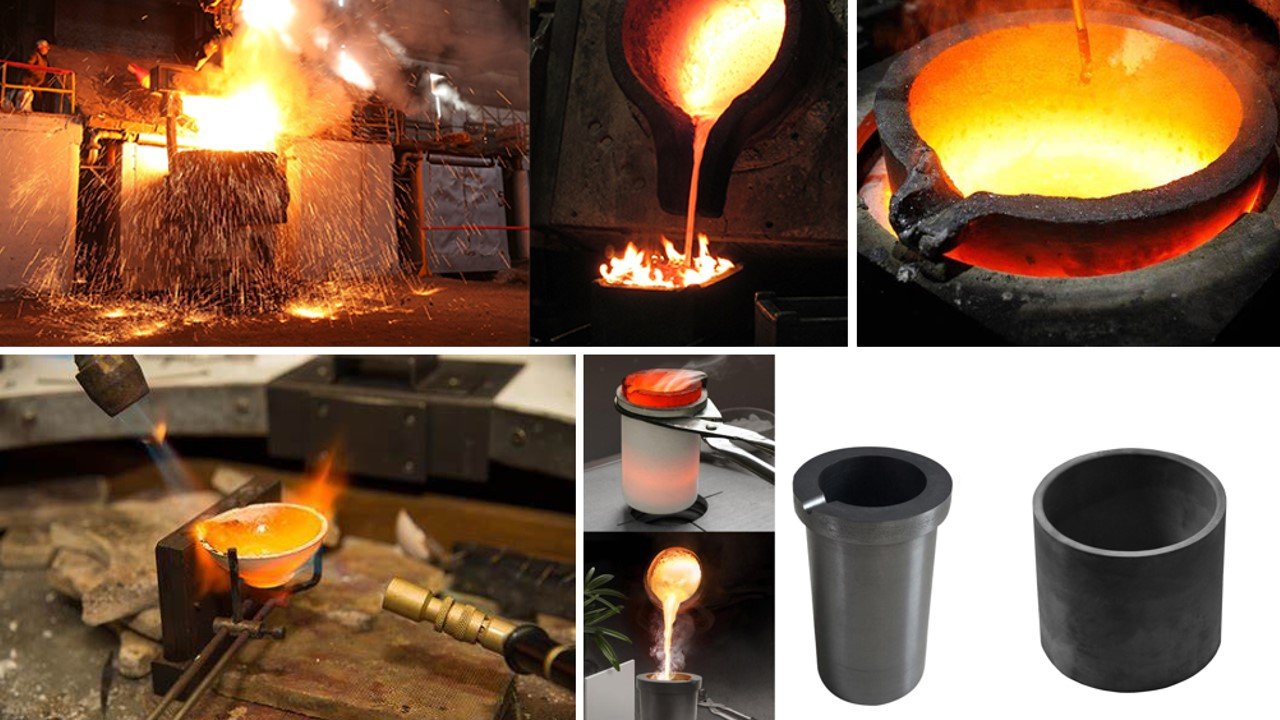 Advanced Ceramic Applications in High-Temperature Environments
What is Ceramic Materials?
Once mentioned about ceramics, you may think about the porcelain, tiles and some other daily-use items. To define them, we summarize the features that they have
- Ceramics consists of compounds, such as minerals, oxides, carbides and so on.
- Ceramics are not contain metals.
- Ceramics are formed by inorganic substances.
Through that, we can easily get the definition of ceramic materials, that is, a inorganic and no-metallic solid. As a result, it has some distinctive properties like:
- High-temperature resistance.
- Chemical stability in corrosive environment.
- Better hardness and strength than metals.
- Wear resistance.
- Excellent thermal resistance.
Ceramics can be divided into 2 main categories: Traditional Ceramic and Advanced Ceramic. From daily-life uses to high-end industrial applications, you will find ceramics are used in every corner of our life.
It is obvious that ceramics possess various properties, because they are formed by different elements or materials. The melting points of ceramics are mostly based on their composition. Next, we will explore the melting points of different ceramics.
Examples of Ceramic Materials and Their Melting Point
The table below summarize the melting point of some ceramic materials from the highest melting point of ceramic material to the lowest one. You can get a clear understanding of their properties and applications.
| Ceramic Material | Melting Point | Other Notes |
| Hafnium Carbide | ~3,900℃ | One of the highest known melting points |
| Zirconium Diboride | ~3,245℃ | Ultra-high temperature ceramic Excellent ablation resistance |
| Boron Nitride | ~2,900℃ (In Nitrogen) | Excellent thermal shock resistance Non-wetting to metals Insulation |
| Magnesium Oxide | ~2,852℃ | Alkaline refractory material Strong slag resistance |
| Silicon Carbide | ~2,730℃ (Sublimation) | High thermal conductivity High hardness, wear resistance |
| Zirconia | ~2,715℃ | Low thermal conductivity High toughness Acid/alkali resistance |
| Boron Carbide | ~2,450℃ | Extremely high hardness Nuclear radiation resistance |
| Aluminum Nitride | ~2,200℃ | Excellent insulation High thermal conductivity |
| Spinel | ~2,135℃ | Excellent chemical stability at high temperatures |
| Alumina | ~2,050℃ | Cost-effective choice Superior electrical insulation |
| Silicon Nitride | ~1,900℃ (Decomposition) | Strong overall mechanical properties Thermal shock resistance |
| Mullite | ~1,840℃ | Most used for fire-resistant liners High-temperature stability |
| Bone China | ~1,670℃ | Good strength and transparency Common for daily-use like cutlery and decorations |
| Glass Ceramic | ~850 – 1,720℃ | High toughness and dimensional stability Changeable transparency High temperature resistance |
* The data above are only approximate. The melting point depends on exact processing methods and the purity of materials.
How the Melting Point of Ceramic Materials Make up Their Uses?
Simply put, stable performance in specific condition is the key to industrial selection. Ceramic materials with various melting points are suit for almost all kinds of industries.
High Melting Point: High-Temperature Heavy Industry
Some ceramic can endure extreme temperature – even up to 3,000℃ and more. These super-high temperature ceramic are ideal for industries that need to dealing with high-temperature. Usually, they are selected for extremely high-temperature needs. For example:
Semiconductor Manufacturing: Wafer Carrier, lining for high-temperature sintering furnace and other parts
Aerospace and Military: Rocket engine nozzle liner, spacecraft heat insulation tiles
Metallurgy: Crucibles for molten metals, molten steel pouring nozzle
High melting points ceramic like HfC are the best solutions for your endure industrial environment.
Middle Melting Point: Moderate Industry
For those ceramic materials that do not have extremely high melting points, they are applicable to industries needing medium performance:
High-Temperature Kilns: Supporting shelves, lining brick
Mechanical Parts: Ceramic cutters, wear-resistant liner plate
Chemical Corrosion Protection: Lining of pipelines, medium-temperature reaction vessels
Ceramic material with middle melting point usually perfect for most of common industries.


Low Melting Point: Daily-life Use
Without extreme temperature and other harsh conditions, ceramics with low melting point are familiar in our daily life.
Cutlery and Cooker: Dishes made of bone china or porcelain
Bathroom Parts: Tiles, sinks and toilet
Basic Electronic Ceramics: Insulating ceramic components like wire insulators and circuit boards
Though they cannot bear high-temperature, low melting point ceramics are still useful in many daily use. From 850℃ to 3,900℃, ceramic melting points cover both high and low. Different ceramic materials have different application.
What is Thermal Shock of Ceramic?
Some may think that the higher melting point that ceramic material possesses, the better its performance.
Anyway, this is wrong. Besides melting point, you should also consider thermal shock resistance of a ceramic material.
When the material goes on a rapid temperature change, it leads to internal thermal stress. Metals and plastics can offset thermal stress by deformation. However, if thermal stress accumulates in ceramic, cracking and breakages will happened.
Before determine the specific ceramic for your industries, a test on its thermal shock resistance is important.
Moreover, ceramic may creep in extremely high temperature when under continuous stress. This directly determines the life of ceramic parts.
Conclusion
Knowing the melting point is just the beginning of your projects. The material you selected should also match your specific working conditions.
Want to find out which is the best for your project? Newthink New Materials specializes in the R&D and customization of advanced ceramic, especially silicon carbide, alumina, and boron nitride. Contact us for professional material selection consulting and a free quote.

 Silicon Carbide Crucibles manufactured by Newthink
FAQs
- What is the difference between the Melting Point and the Recommended Working Temperature?
The theoretical melting point is the physical limit. Under this temperature, the material’s structure will collapse. We recommend that the long-term operating temperature be kept several hundred degrees below the theoretical melting point. In this way, you can avoid the risks like oxidation or softening under load.
- Why some ceramics do not have a specific melting point?
Ceramics like silicon carbide and silicon nitride undergo sublimation or decomposition at high temperatures. They will not turn from a solid into a liquid. Therefore, their limits are measured by decomposition or sublimation temperatures.
- In an air environment above 1,500℃, should I choose SiC or Al2O3?
While SiC has higher strength, it forms a silica protective layer in oxygen-rich environments. If the temperature remains extremely high for long periods, alumina, as an oxide ceramic, may offer better chemical stability. We recommend consulting a professional supplier for specific conditions.
- Do ceramic materials break due to heat or cool?
Yes. Quick heat or cool can cause internal thermal stress. Slow temperature change will not lead to break. Please avoid sudden heat or cool to protect your ceramic material.
- Which Ceramic Materials Have the Highest Melting Points?
The melting point of Hafnium Carbide (~3,900℃) is the highest up to now.
These ultra-high temperature ceramic materials are used in components like rocket nozzles for extreme environments.


 English
  Spanish
  Portuguese
  German
  Arabic
